
How to Promote Your Music with Smart Technology in 2026
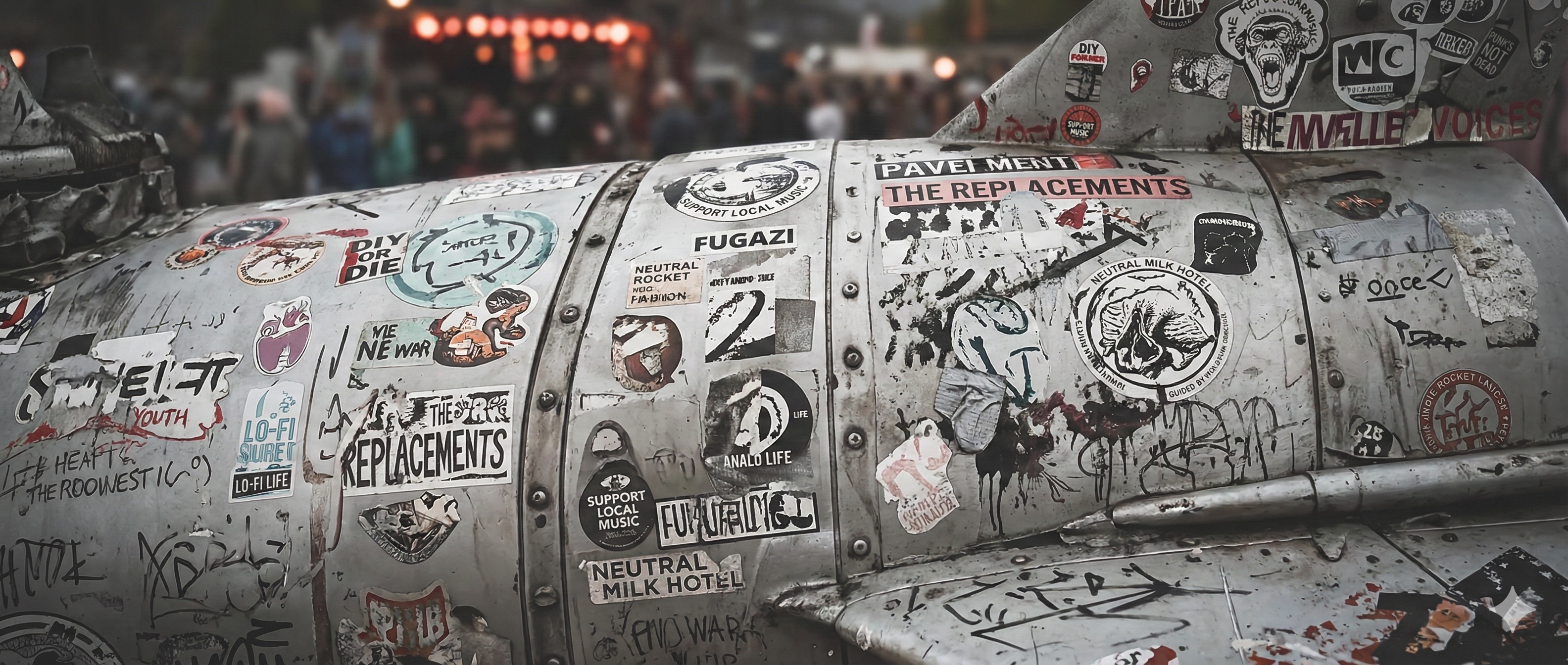
Independent music promotion is evolving faster than ever. In 2026, the difference between a viral hit and a forgotten track often comes down to algorithmic precision — how well you target listeners, how quickly you kill bad ads, and how efficiently you convert clicks into real fans.
This guide breaks down the exact strategy that independent artists are using right now to grow their Spotify presence without wasting money on broad, unfocused campaigns.
The Rise of the Smart Co-Pilot
Gone are the days of manually tweaking Facebook Ads for hours. Modern platforms use "Sonic Intelligence" to analyze your track's audio characteristics — tempo, energy, mood, instrumentation — and build audiences that actually match your sound.
This matters because the old approach to music promotion (targeting people who "like" a similar artist) has a fundamental flaw: those interest categories are based on pages people liked years ago, not what they're actively listening to today.
Why Algorithmic Marketing Wins
- Zero Budget Waste: Smart algorithms identify "Unicorn" ads (the top performers) instantly and kill underperforming ones before they drain your budget. The system monitors your spend 24/7, not just when you remember to check.
- Precision Targeting: Instead of guessing which artists your music sounds like, audio analysis finds listeners who dynamically match your exact sonic profile. This typically results in 2-3x higher click-through rates compared to broad interest targeting.
- Content Creation at Scale: Smart tools analyze your lyrics and brand voice to brainstorm months of social media content from a single track — captions, visual concepts, and posting schedules tailored to each platform.
Setting Up Your Launchpad: A Step-by-Step Checklist
When you release a new track, your first 48 hours are critical. Here's a proven checklist for a successful smart launch:
Step 1: Analyze Your Sound
Before spending a single dollar on ads, run your track through an audio analyzer. This gives you a sonic fingerprint — the specific characteristics that define your sound. Platforms like IndieRocket use this fingerprint to find listeners of sonically similar artists, creating "Superfan" audiences that are far more likely to save your track and follow you.
Step 2: Build Your Smart Link
Never send ad traffic directly to Spotify. Instead, create a Smart Link landing page that:
- Routes listeners to their preferred streaming platform (Spotify, Apple Music, YouTube, etc.)
- Tracks every click and conversion so you know exactly which ads are working
- Filters out bots and fraudulent clicks before they inflate your metrics
- Loads fast on mobile (where 80%+ of music discovery happens)
A well-built Smart Link is the bridge between your ad spend and your streaming numbers. Without it, you're flying blind.
Step 3: Create Multiple Ad Variations
The biggest mistake artists make is running a single ad creative. Ad fatigue sets in fast — the same image or video shown repeatedly to the same audience will see its cost-per-click double or triple within a week.
Instead, launch with 3-5 creative variations:
- A 15-second vertical video with synced lyrics (the top-performing format in 2025-2026)
- A static image with bold typography and your cover art
- A behind-the-scenes clip or performance snippet
- A visualizer or waveform animation
Smart ad systems will automatically test all variations and shift budget to the winners.
Step 4: Launch and Let the Algorithm Work
Once your ads are live, resist the urge to micromanage. Algorithmic optimization needs data to learn — typically 24-48 hours of spend before it can identify the best-performing audience segments and creatives.
During this learning phase:
- Don't change your budget or targeting
- Don't pause ads that seem slow (give them time)
- Do check your Smart Link analytics to see if clicks are converting to streams
After the learning phase, a good automated system will:
- Pause any ad spending more than your target cost-per-click without delivering results
- Scale budget toward the top performers
- Continuously test new audience segments
What "Good" Results Look Like
Based on aggregated data from thousands of independent artist campaigns, here are realistic benchmarks for smart music marketing in 2026:
| Metric | Smart Targeting | Manual/Broad Targeting |
|---|---|---|
| Cost Per Click | $0.12 - $0.25 | $0.45 - $1.20+ |
| Click-Through Rate | 2.5% - 4.5% | 0.8% - 1.5% |
| Save Rate (from Smart Link) | 15% - 25% | 5% - 10% |
| Follow Rate | 8% - 15% | 2% - 5% |
If your numbers are significantly worse than the "Smart Targeting" column, your targeting is probably too broad or your ad creative needs refreshing.
Beyond Ads: The Full Promotion Stack
Paid ads are just one piece of the puzzle. A complete music promotion strategy in 2026 also includes:
- Playlist Pitching: Submit your tracks to Spotify editorial playlists and independent curators with tailored pitches that highlight what makes your sound unique.
- Social Content Consistency: Post 3-5 times per week across Instagram, TikTok, and your priority platforms. Use your ad creatives as social content too — repurpose everything.
- EPK for Press & Venues: Keep an up-to-date Electronic Press Kit with your latest stats, tracks, and professional bio. Opportunities come to artists who look ready for them.
- Smart Links for Every Release: Even if you're not running ads, every release should have a dedicated landing page you can share everywhere.
The Bottom Line
The artists who are growing fastest in 2026 aren't spending more money — they're spending smarter. Algorithmic tools handle the complexity of audience targeting, budget optimization, and creative testing, so you can focus on what actually matters: making great music.
Ready to launch your next campaign on autopilot? Get started with IndieRocket for free.